June 3, 2026
The concept of aging in place continues to grow as more homeowners choose to remain in familiar surroundings as they get older. With the right planning, a home can be adapted for safety, accessibility, comfort, and long-term independence. Local home remodeling services can help identify practical changes that support daily routines without making the home feel clinical or difficult to enjoy.
Home remodeling for aging in place often includes updates to entryways, kitchens, bathrooms, bedrooms, living areas, and outdoor spaces. According to the Home Improvement Research Institute, the total home improvement market expanded by 3.7% to $574.3 billion in 2024, and is projected to grow by an additional 3.4% in 2025. This growth reflects how many homeowners are investing in spaces that better support changing needs.
Entryway Accessibility
Entryways are one of the most important areas to update because they affect how safely someone enters and exits the home. Ramp installation can reduce the risk of falls and make the home easier to access for people using walkers, wheelchairs, or canes. Threshold ramps, permanent ramps, and folding ramps each offer different benefits depending on the home’s layout.
Wider doorways can also improve accessibility throughout the home. Expanding openings to at least 32 inches allows easier movement for mobility devices and reduces tight turns. Local home remodeling services can evaluate framing, door placement, and traffic flow to determine where wider doors will provide the most benefit.
Safer Flooring and Hardware
Non-slip flooring is another important entryway improvement. Textured vinyl, rubber flooring, treated wood, and slip-resistant tile can improve traction during wet weather. These materials help reduce fall risks while still supporting a polished design that fits the home’s style.
Lever-style door handles can make everyday movement easier for aging homeowners. Unlike round knobs, levers require less grip strength and are easier to operate for people with arthritis or limited hand mobility. Smart locks can also improve convenience by allowing family members, caregivers, or trusted visitors to enter through keypad codes or app-based access.
Kitchen Accessibility
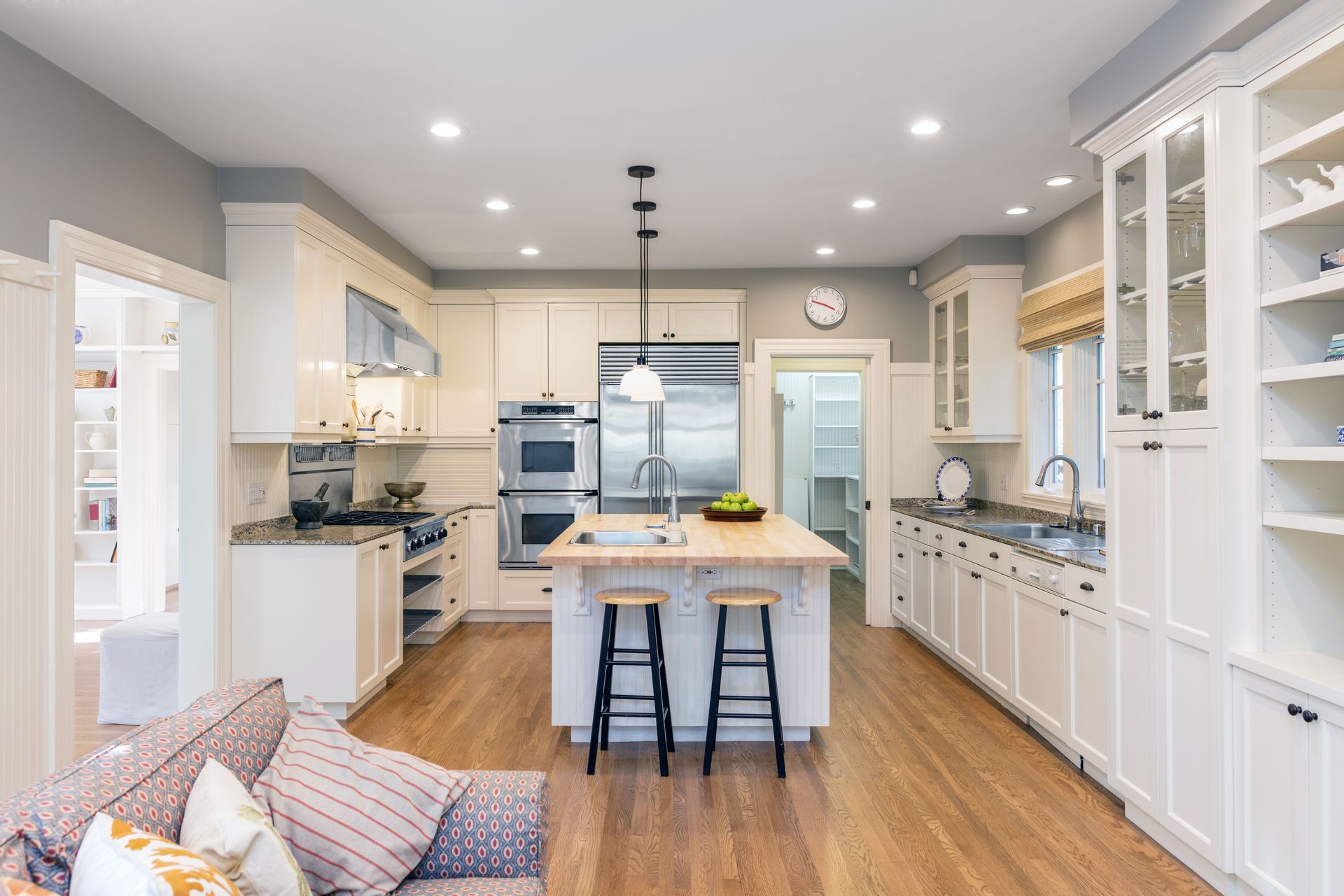
The kitchen should be designed for comfort, safety, and independence. Adjustable countertops can help users prepare meals while seated or standing, depending on their needs. This flexibility is especially helpful for homeowners who use wheelchairs or experience fatigue while cooking.
Pull-out shelves are another practical kitchen upgrade. They reduce the need to bend, stretch, or reach into deep cabinets. D-handle cabinetry also supports easier access because the larger handle shape is simpler to grip. Local home remodeling services can combine these upgrades with accessible layouts that keep frequently used items within comfortable reach.
Kitchen Safety Features
Wheelchair-accessible sinks can make daily kitchen tasks easier. These sinks often include open space underneath, lower placement, and reachable faucet controls. When planned carefully, they can blend into the kitchen design while supporting greater independence.
Induction cooktops are also useful for aging-in-place renovations because they reduce burn and fire risks. These cooktops heat cookware directly while the surrounding surface stays cooler than traditional electric or gas ranges. Easy-to-read controls, automatic shutoff features, and improved lighting can further increase kitchen safety.
Bathroom Safety
Bathrooms are one of the highest-risk areas for slips and falls, making them a major priority during remodeling. Walk-in showers and tubs reduce the need to step over high edges. Built-in seating, handheld showerheads, and low thresholds can make bathing safer and more comfortable.
Grab bars and handrails provide added stability near toilets, tubs, and showers. These features should be securely installed into wall framing rather than attached only to surface materials. Local home remodeling services can place them at the correct height and location while choosing styles that match the bathroom design.
Bathroom Comfort and Protection
Comfort-height toilets help reduce strain when sitting or standing. These toilets are slightly taller than standard models, making them easier to use for people with limited knee, hip, or back mobility. They can also support safer transfers from walkers or wheelchairs.
Anti-scald faucets are another smart bathroom update. They help regulate water temperature and reduce the risk of burns. Non-slip tiles can provide added traction in wet areas while still offering design flexibility through different colors, textures, and finishes.
Living Room Mobility
Living rooms should support clear movement, comfort, and visibility. An open floor plan can reduce obstacles and make it easier to move through the space with mobility aids. Removing unnecessary barriers also helps create a more welcoming area for family gatherings and daily relaxation.
Lowered light switches can improve independence by making controls easier to reach from a seated position. Motorized window treatments can also help aging homeowners adjust natural light without pulling cords or reaching across furniture. Local home remodeling services can recommend layout adjustments that improve safety without changing the warm feel of the room.
Lighting and Seating
Thoughtful lighting design can make a major difference for aging eyes. Layered lighting that includes overhead fixtures, task lights, and accent lighting can reduce shadows and improve visibility. Dimmer switches and motion-activated lights can also make the home easier to use at different times of day.
Flexible seating options support comfort and accessibility. Chairs with firm cushions, supportive arms, and appropriate seat heights can make sitting and standing easier. These updates help the living room remain functional while still reflecting the homeowner’s personal style.
Bedroom Convenience
Bedroom design should focus on safe movement, rest, and easy access to personal items. Bed height matters because a bed that is too low or too high can increase fall risks. The ideal height allows the homeowner to sit with both feet flat on the floor before standing.
Accessible closets can also support daily independence. Lower rods, pull-down shelves, sliding doors, and organized storage systems make clothing easier to reach. Local home remodeling services can create storage solutions that reduce bending and stretching while keeping the room neat and attractive.
Nighttime Safety
Non-skid area rugs can provide comfort while reducing trip hazards when properly secured. Loose rugs should be avoided, but rugs with strong backing or grip pads can add warmth without compromising safety.
Illuminated pathways are especially helpful during nighttime movement. Motion-activated lights, LED strips, and low-level floor lighting can guide homeowners safely from the bed to the bathroom or hallway. Smart home features, such as voice-controlled lighting and climate controls, can further support comfort and convenience.
Exterior Accessibility
Outdoor areas should be safe, attractive, and easy to maintain. Low-maintenance landscaping with native plants, perennials, mulch, and hardscaping can reduce the need for frequent bending, pruning, and watering. Raised garden beds can also make gardening more accessible by reducing strain on the back and knees.
Secure pathways are essential for safe outdoor movement. Wide, level paths made from stable, non-slip materials can help prevent trips and falls. Local home remodeling services can coordinate exterior improvements that improve access between patios, gardens, driveways, and entryways.
Long-Term Home Planning
Aging in place works best when remodeling choices are planned before urgent needs arise. Small improvements, such as better lighting, safer flooring, easier hardware, and accessible storage, can make daily routines more manageable. Larger upgrades, such as bathroom renovations or entryway changes, can provide long-term support as mobility needs change.
Successfully remodeling a home for aging in place requires a careful balance of safety, comfort, accessibility, and style. With help from local home remodeling services, homeowners can create spaces that support independence while preserving the character of the home they love. Contact C & C Home Remodeling LLC today and learn more about our remodeling services.